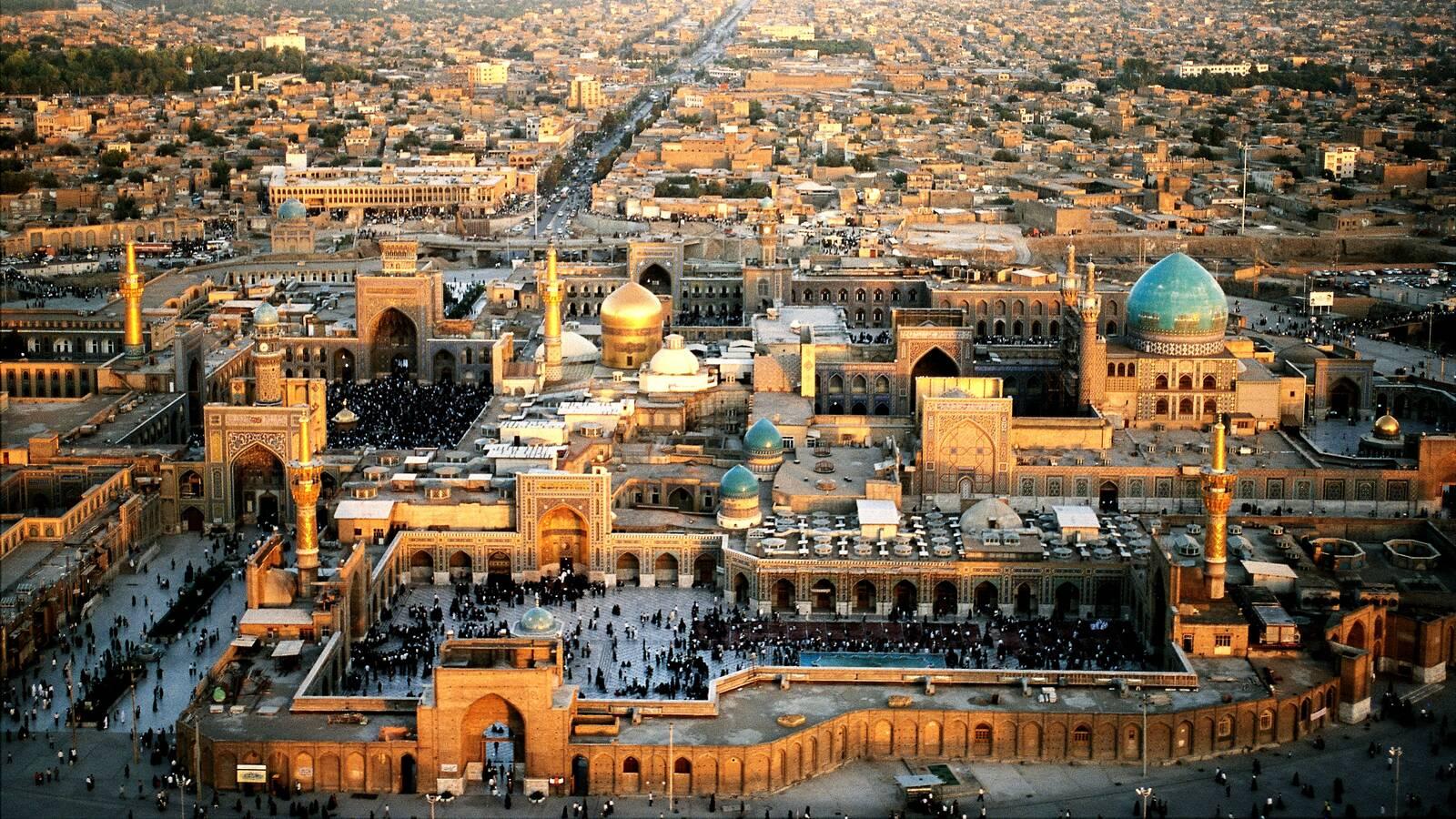
Mashhad (مشهد) is one of the most important cities in Iran and, in particular, one of the most significant religious, cultural, historical and tourism centers of the country. It is best known as the home of the Imam Reza Shrine, but there is considerably more to Mashhad: ancient Khorasan, the historical city of Tus, Persian literature, pilgrimage tourism, universities, industry, food, surrounding mountains and a huge modern urban economy.
1. Quick facts
| Topic | Information |
|---|---|
| Persian name | مشهد |
| Common English name | Mashhad |
| Country | Iran |
| Province | Razavi Khorasan |
| Region | Northeastern Iran |
| Approx. elevation | 995 m |
| Area | about 351 km² |
| Population | about 3 million in the 2016 census |
| Metropolitan population | roughly 4.5 million according to commonly cited estimates |
| Distance from Tehran | about 740 km east |
| Main religion/cultural identity | Strongly associated with Twelver Shia Islam |
| Famous for | Imam Reza Shrine, pilgrimage, Tus, Ferdowsi, saffron, tourism |
| Climate | Semi-arid/continental |
| Time zone | Iran Standard Time, UTC+3:30 |
Mashhad is generally regarded as Iran’s second-largest city by population after Tehran.
2. Where is Mashhad?
Mashhad is in northeastern Iran, in Razavi Khorasan Province, relatively close to Iran’s borders with Turkmenistan and Afghanistan.
Its location historically made it part of the enormous cultural region known as Greater Khorasan.
The city sits at roughly 1,000 meters above sea level and is surrounded by a mixture of plains, hills and mountains. The Binalud mountain range lies to the west and southwest.
Its geographical position has been extremely important throughout history because Khorasan was one of the great crossroads of the Persian, Central Asian and Islamic worlds.
3. Why is Mashhad called Mashhad?
The name Mashhad comes from Arabic mashhad, broadly meaning a place associated with witnessing or a martyr’s burial/tomb.
The name is connected to Imam Ali al-Rida (Imam Reza), the eighth Imam of Twelver Shia Islam.
After Imam Reza died in 818 CE, he was buried at Sanabad near the ancient city of Tus. His tomb became increasingly important as a pilgrimage destination, and the settlement surrounding it developed into what became Mashhad.
So, in a very real sense:
Mashhad grew around a shrine.
This is one of the most important facts for understanding the city’s history and urban structure.
4. The ancient history of the area
Mashhad itself is relatively young compared with the civilization surrounding it.
The broader region of Khorasan has an extremely ancient history.
The area around modern Mashhad has been connected with the ancient city of Tus, which was one of the major settlements of historical Khorasan.
There are also theories connecting the broader area with ancient settlements mentioned in Achaemenid sources, although the precise identification of some ancient places remains debated.
Alexander the Great’s campaigns reached the Khorasan region in the 4th century BCE.
Later the region was controlled by various Iranian and Central Asian powers, including:
- Achaemenids
- Seleucids
- Parthians
- Sasanians
- Arab Muslim dynasties
- Tahirids
- Samanids
- Ghaznavids
- Seljuks
- Mongols
- Timurids
- Safavids
- Afsharids
- Qajars
This is why Mashhad’s history cannot really be separated from the history of Khorasan.
5. Sanabad and the birth of Mashhad
The settlement that eventually became Mashhad was originally associated with Sanabad, a smaller settlement near Tus.
In 818 CE, Imam Reza died in the area.
His burial site became increasingly important.
Over subsequent centuries, the shrine developed, pilgrimage increased and the surrounding settlement expanded.
Eventually the religious importance of the site eclipsed the older urban importance of Tus.
UNESCO’s documentation of the Imam Reza complex specifically describes Mashhad’s development as being closely connected to the shrine and its pilgrimage culture.
6. Imam Reza
Imam Reza, or Ali ibn Musa al-Rida, is the eighth Imam in Twelver Shia Islam.
He was born in Medina in 766 CE and became one of the most important religious figures associated with the Abbasid period.
In 817 CE, Abbasid caliph al-Ma’mun appointed him as his successor.
Imam Reza subsequently died in 818 CE in the Khorasan region.
His tomb became the spiritual heart of Mashhad.
For Shia Muslims, pilgrimage to his shrine is enormously significant.
The shrine today attracts millions of pilgrims annually, and official/heritage sources describe the complex as one of the most important religious centers in the Islamic world.
7. Imam Reza Shrine
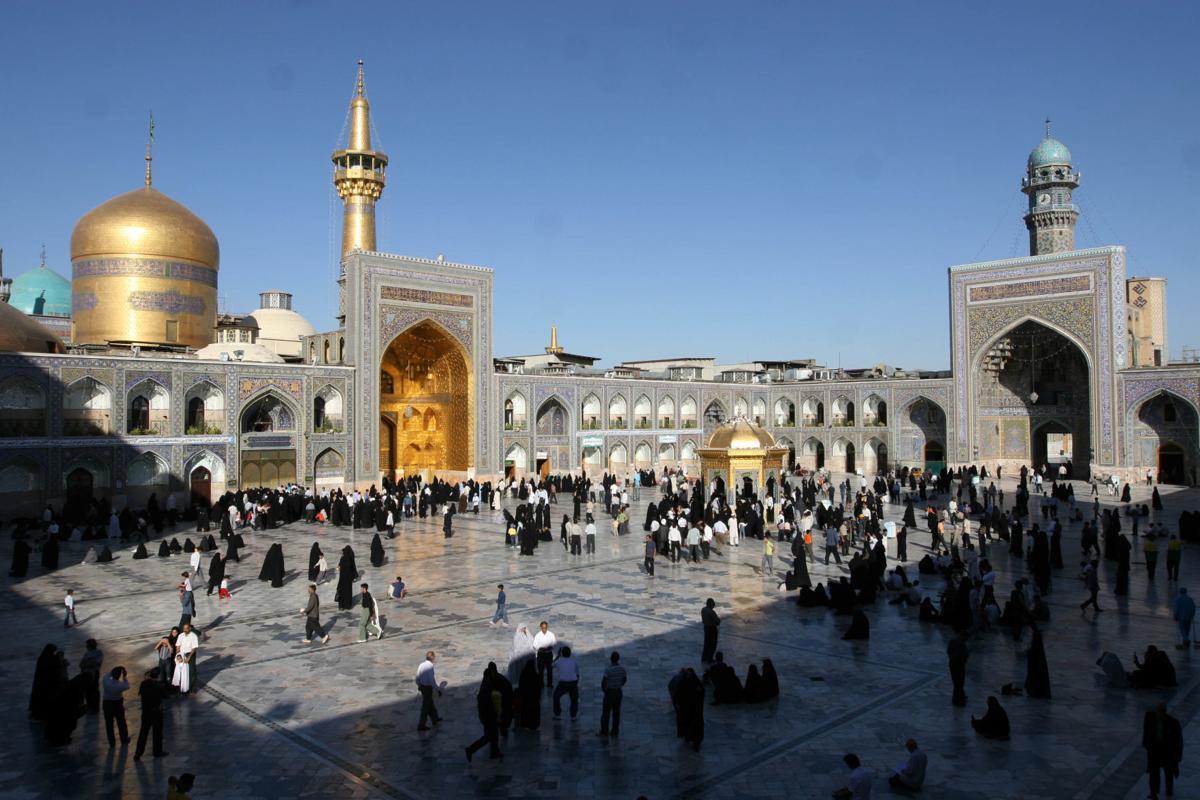
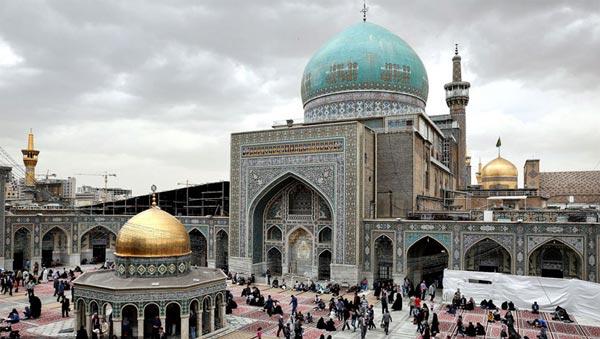
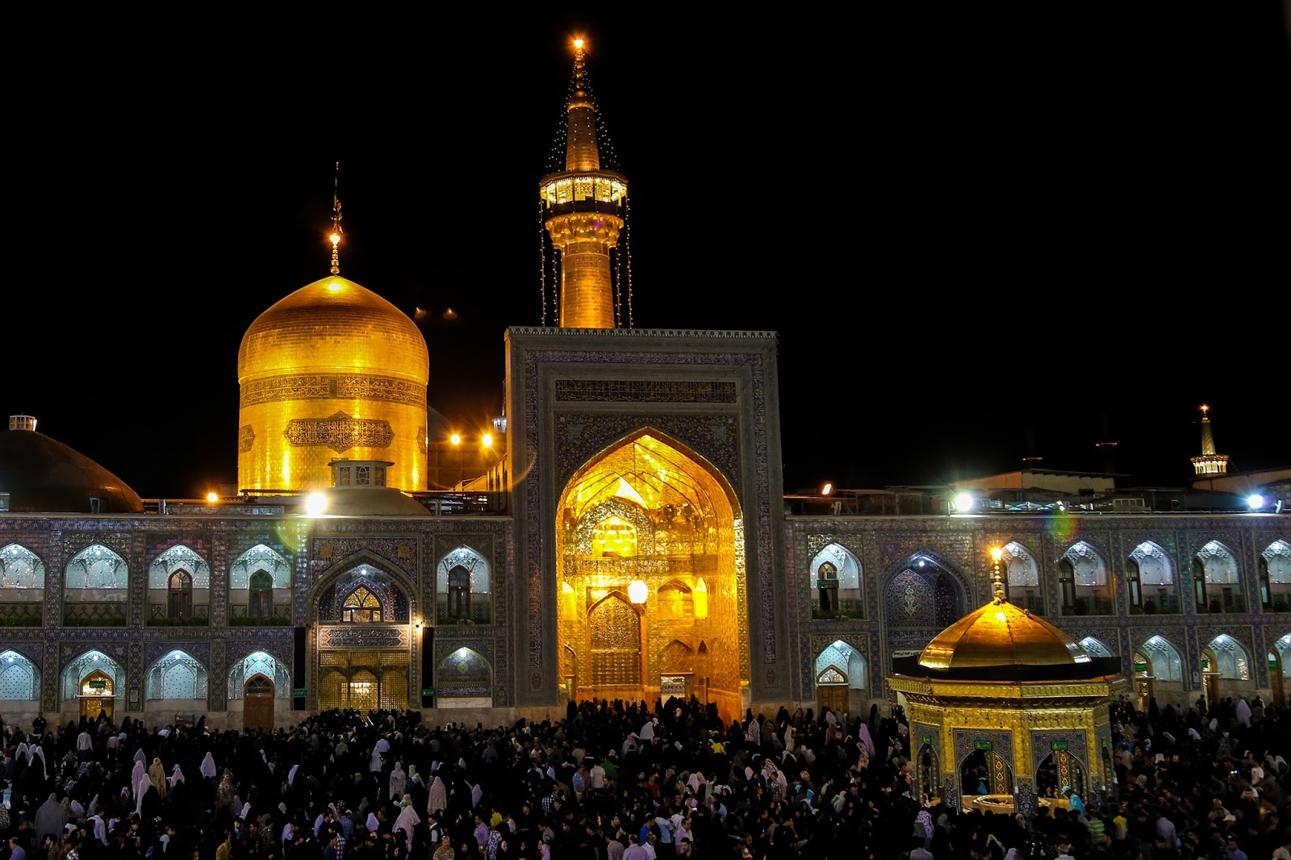
The Imam Reza Holy Shrine is unquestionably the centerpiece of Mashhad.
It is not simply one building. It is a huge architectural and religious complex containing:
- the tomb of Imam Reza
- courtyards
- iwans
- prayer spaces
- Goharshad Mosque
- museums
- libraries
- seminaries
- religious institutions
- educational institutions
- bazaars and commercial facilities
The complex has expanded over many centuries.
UNESCO’s tentative-list documentation describes it as a complex that developed progressively over roughly a millennium and incorporates architectural contributions from the Seljuk, Ilkhanid, Timurid, Safavid, Qajar and modern periods.
8. Goharshad Mosque
One of the architectural treasures inside the shrine complex is Goharshad Mosque.
It was commissioned during the Timurid period by Gawhar Shad, wife of Shah Rukh.
The mosque is famous for:
- Persian-Islamic architecture
- monumental iwans
- turquoise and other glazed tilework
- calligraphy
- geometric decoration
- Timurid architectural design
UNESCO specifically identifies Goharshad Mosque as one of the outstanding historical structures within the Imam Reza complex.
9. The golden dome
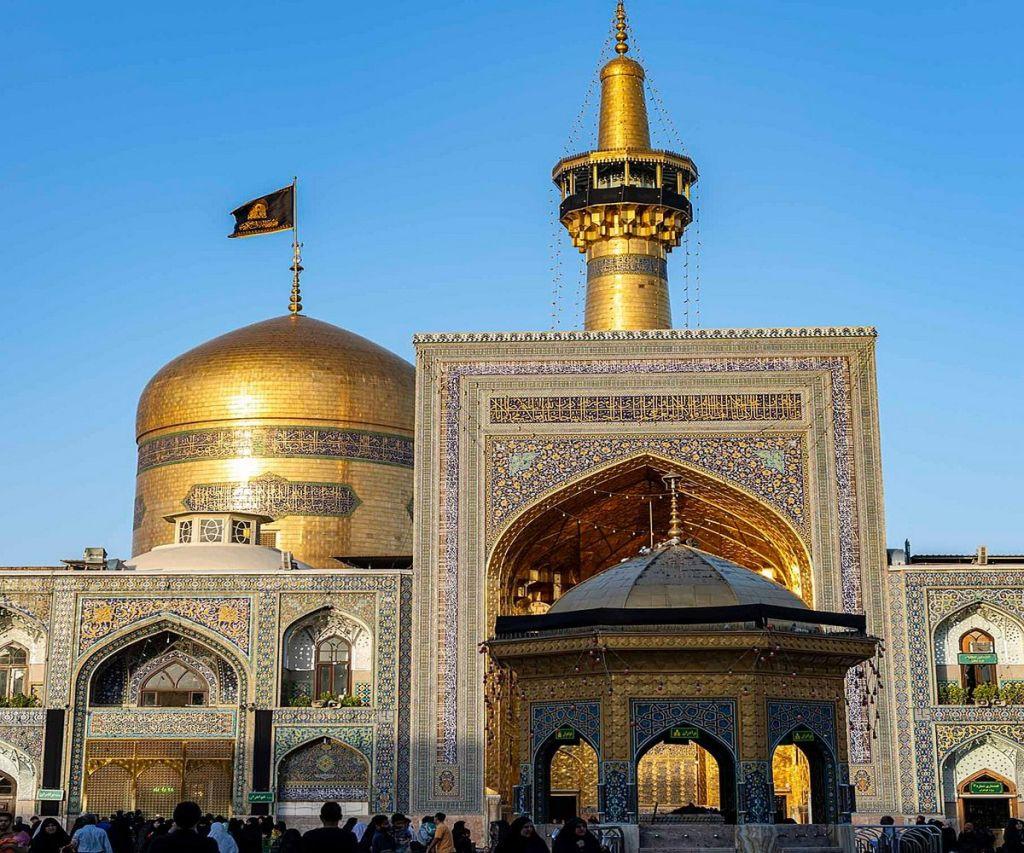
The golden dome of the Imam Reza Shrine is perhaps the most recognizable visual symbol of Mashhad.
For centuries, the dome and minarets have served as a visual landmark for pilgrims approaching the city center.
The architecture combines elements from multiple historical periods rather than representing a single architectural era.
This is one of the reasons the shrine is so interesting from an architectural perspective.
10. Is the shrine a UNESCO World Heritage Site?
There is an important distinction here.
The Imam Reza Holy Complex has been submitted to UNESCO’s Tentative List, rather than being a straightforwardly inscribed UNESCO World Heritage Site.
Iran submitted it in 2017 under cultural criteria. UNESCO’s documentation emphasizes its architectural, artistic, historical and religious significance.
So it is more accurate to say:
Imam Reza Holy Complex is on Iran’s UNESCO World Heritage Tentative List.
rather than simply calling it a UNESCO World Heritage Site.
11. The Mongol period
Khorasan suffered enormously during the Mongol invasions of the 13th century.
Many cities in the region were destroyed or severely damaged.
Tus experienced catastrophic decline.
Mashhad, however, retained its importance because of the shrine.
This distinction became increasingly important:
Tus declined; Mashhad grew.
12. The Timurid era
The Timurid period was particularly important for the architectural and cultural development of Mashhad.
Herat and Khorasan became major centers of Persian art, literature and architecture.
During this period, important structures associated with the shrine were built or expanded.
The construction of Goharshad Mosque in the 15th century is one of the clearest examples.
13. The Safavid period
The Safavid period was a turning point.
In 1501, the Safavid state established Twelver Shia Islam as the official religion of Iran.
This greatly strengthened Mashhad’s position as a major Shia pilgrimage center.
The Safavid rulers invested heavily in religious institutions, shrines and endowments.
Consequently, Mashhad became increasingly important both religiously and economically.
14. Nader Shah and Afsharid Mashhad
Mashhad also has a special relationship with Nader Shah Afshar, one of Iran’s most powerful military rulers.
Nader Shah was born in Khorasan and eventually established his power from the region.
Mashhad became an important political center during his reign.
The city contains monuments and historical associations connected to the Afsharid period.
15. Qajar Mashhad
During the Qajar era, Mashhad continued to grow as a pilgrimage and commercial center.
It was connected to wider trade routes across Khorasan and Central Asia.
The city’s religious institutions also accumulated enormous cultural and economic importance.
Mashhad increasingly became a destination for pilgrims from:
16. Mashhad and Tus
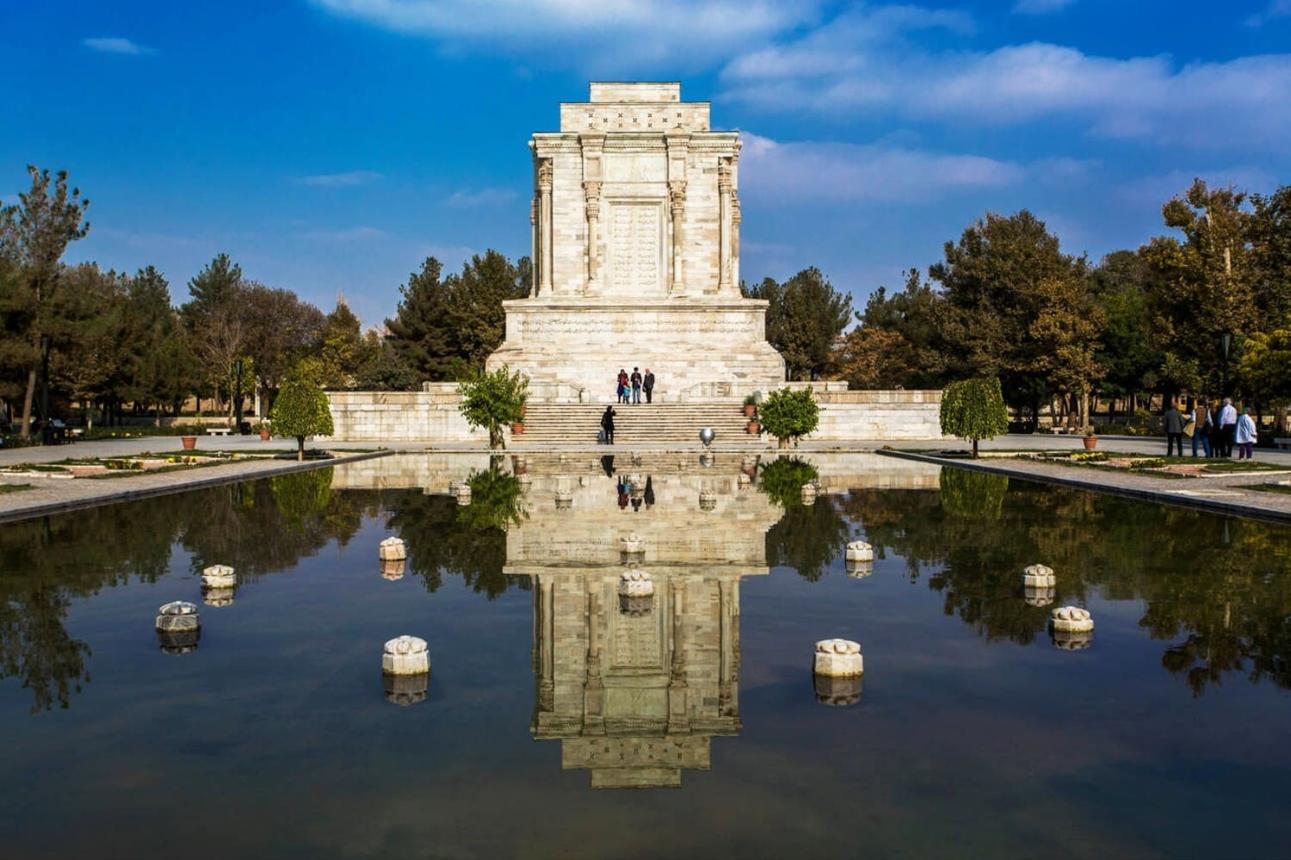
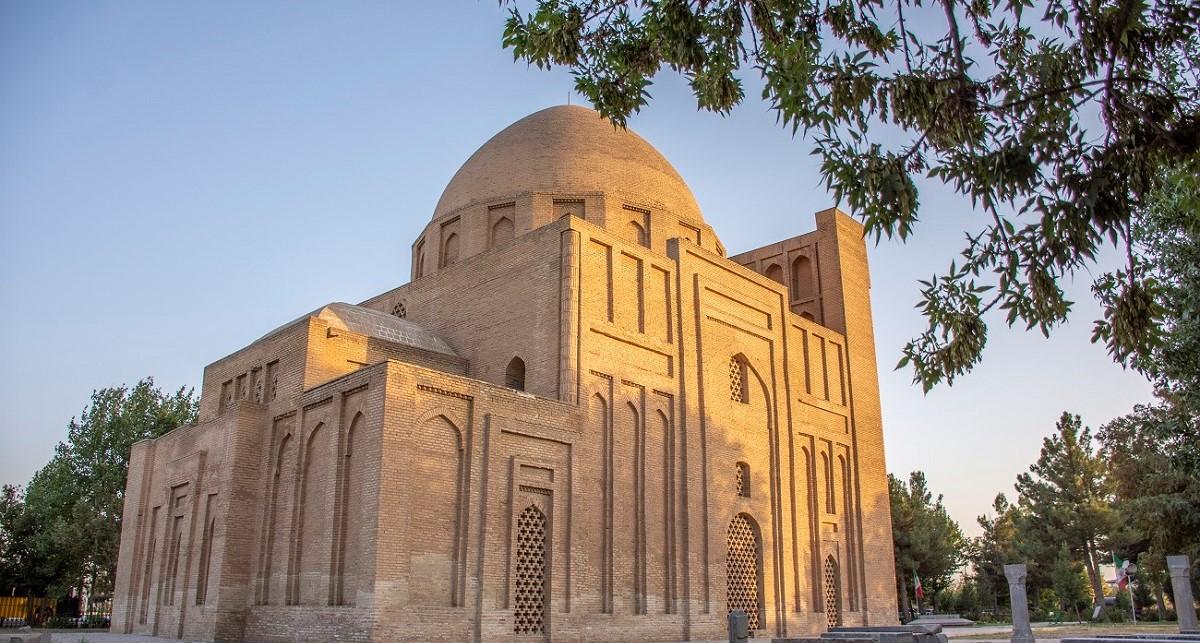
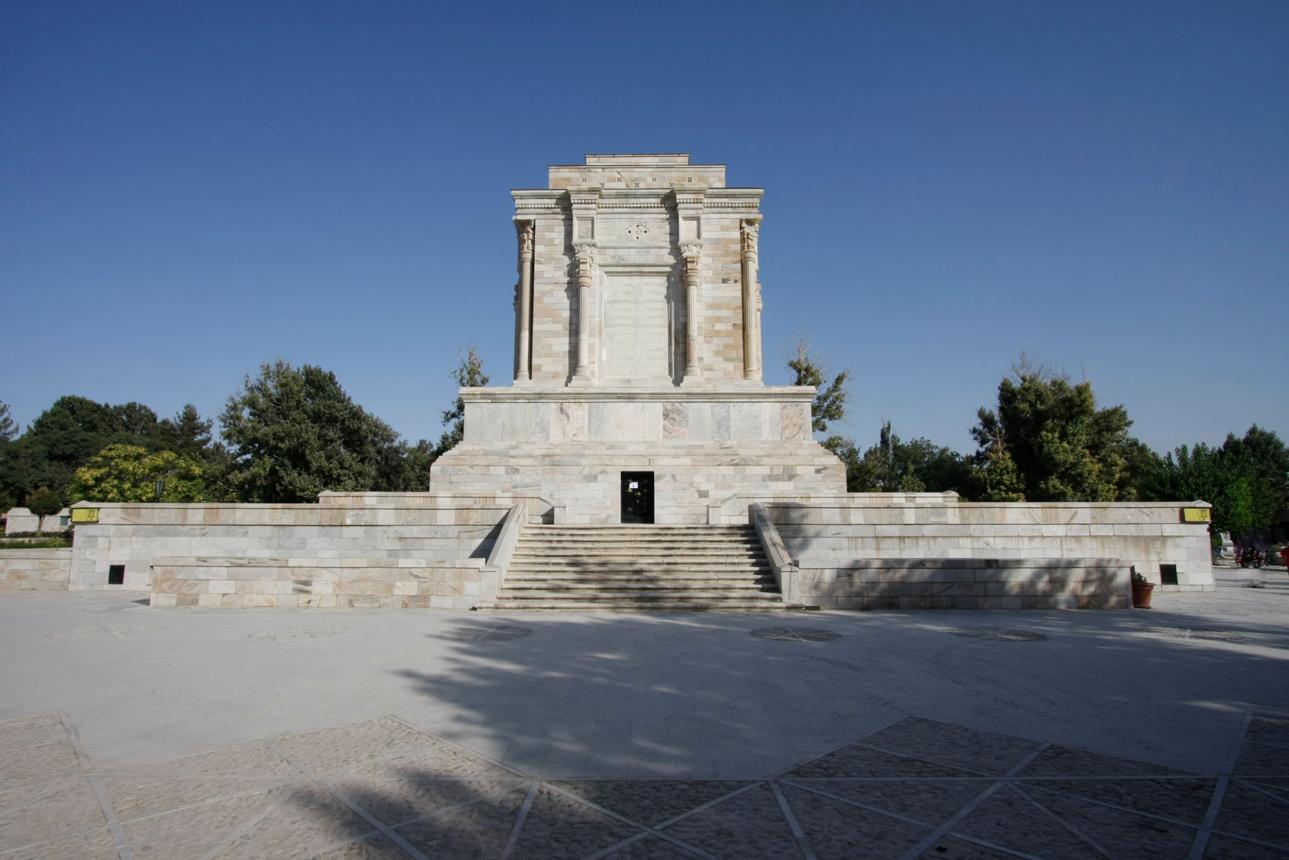
If you visit Mashhad, Tus is one of the most important nearby historical destinations.
Tus was once a major city of Khorasan.
Today, visitors can see sites associated with:
- Ferdowsi
- Haruniyeh
- ancient Tus
- medieval Khorasan
Tus is particularly important because of Ferdowsi, one of the greatest Persian poets.
17. Ferdowsi
Abu’l-Qasim Ferdowsi wrote the Shahnameh (Book of Kings), one of the greatest works of Persian literature.
The Shahnameh preserves thousands of years of Iranian mythology, legendary history and cultural memory.
Ferdowsi’s tomb is located near Tus, outside Mashhad.
For anyone interested in Persian culture, visiting Ferdowsi’s tomb is arguably one of the most important experiences in the Mashhad region.
18. Mashhad as a city of Persian literature
Mashhad and greater Khorasan have produced or been associated with numerous major Persian intellectuals.
The region is associated with figures such as:
- Ferdowsi
- Omar Khayyam
- Attar of Nishapur
- Nizami Aruzi
- numerous Persian scholars, poets and theologians
Strictly speaking, not all of these figures were born in modern Mashhad itself.
But they belong to the wider historical-cultural world of Khorasan.
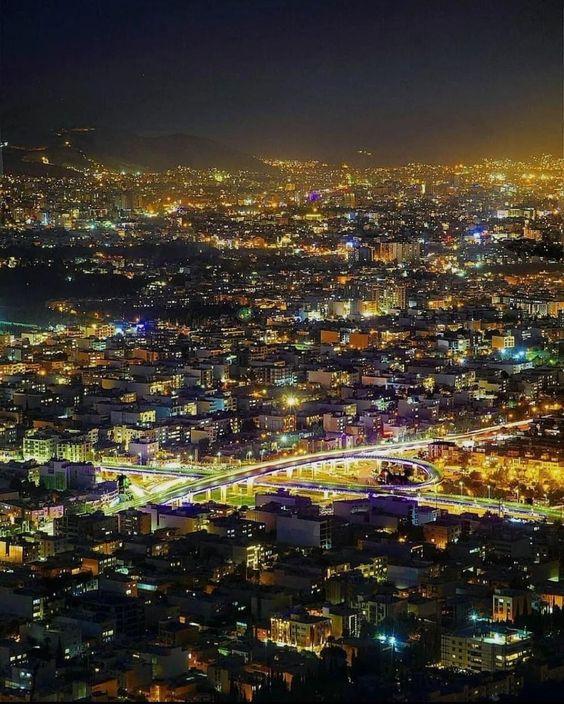
19. Modern Mashhad
During the 20th century, Mashhad transformed from a primarily pilgrimage-centered city into a huge modern metropolis.
Its functions now include:
- religious tourism
- domestic tourism
- international tourism
- education
- medicine
- commerce
- manufacturing
- transportation
- technology
- finance
- retail
The city continues to grow around its religious core.
20. Population
The 2016 Iranian census recorded roughly 3 million inhabitants within Mashhad city, while broader metropolitan figures are considerably higher.
Mashhad is therefore one of Iran’s largest urban areas.
Its population is affected by:
- natural population growth
- migration
- students
- workers
- pilgrims
- tourists
- migration from neighboring provinces and countries
The effective population present in the city can therefore be substantially larger than the permanent resident population during major religious periods.
21. Pilgrimage tourism
This is probably the single most important part of Mashhad’s modern economy.
Millions of people travel to Mashhad because of Imam Reza.
The city therefore has an enormous tourism infrastructure:
- hotels
- apartment hotels
- restaurants
- transport services
- souvenir shops
- religious markets
- shopping centers
- tour operators
- pilgrimage services
The official city tourism material describes Mashhad as receiving more than 20 million pilgrims and tourists annually, although precise visitor numbers vary according to methodology and year.
22. What is Mashhad’s economy based on?
Mashhad’s economy is unusually diversified for a city whose identity is so strongly religious.
Major sectors include:
Tourism
Especially religious tourism.
Retail
Huge shopping districts serve both residents and visitors.
Food
The city is an important food-processing center.
Agriculture
The wider Razavi Khorasan region produces:
- saffron
- fruits
- grains
- pistachios
- other agricultural products
Industry
Mashhad has manufacturing and industrial activity involving:
- food
- textiles
- machinery
- pharmaceuticals
- construction materials
Education
Several major universities contribute substantially to the city’s economy.
Healthcare
Mashhad is also a major medical center for northeastern Iran and neighboring countries.
23. Saffron
One of the things most strongly associated with the wider Khorasan region is saffron.
Razavi Khorasan is one of the world’s major saffron-producing regions.
Mashhad consequently has a major role in:
- saffron trade
- processing
- packaging
- retail
- tourism-related saffron sales
For visitors, saffron is one of the classic souvenirs of Mashhad.
24. Famous Mashhadi foods
Mashhad has its own food culture.
Some famous foods associated with the city and Khorasan include:
Sholeh Mashhadi
A thick, hearty traditional dish made with ingredients such as grains, legumes and meat.
Mashhadi rice dishes
Various rice-and-meat preparations are popular.
Dizi
Although not uniquely Mashhadi, it is extremely common.
Khoresht-e Shishlik / regional grilled foods
Shishlik
One of the most famous foods associated with the Mashhad region, particularly Shandiz.
25. Shandiz
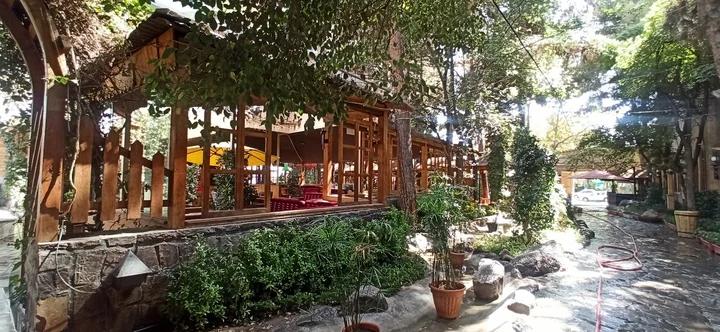
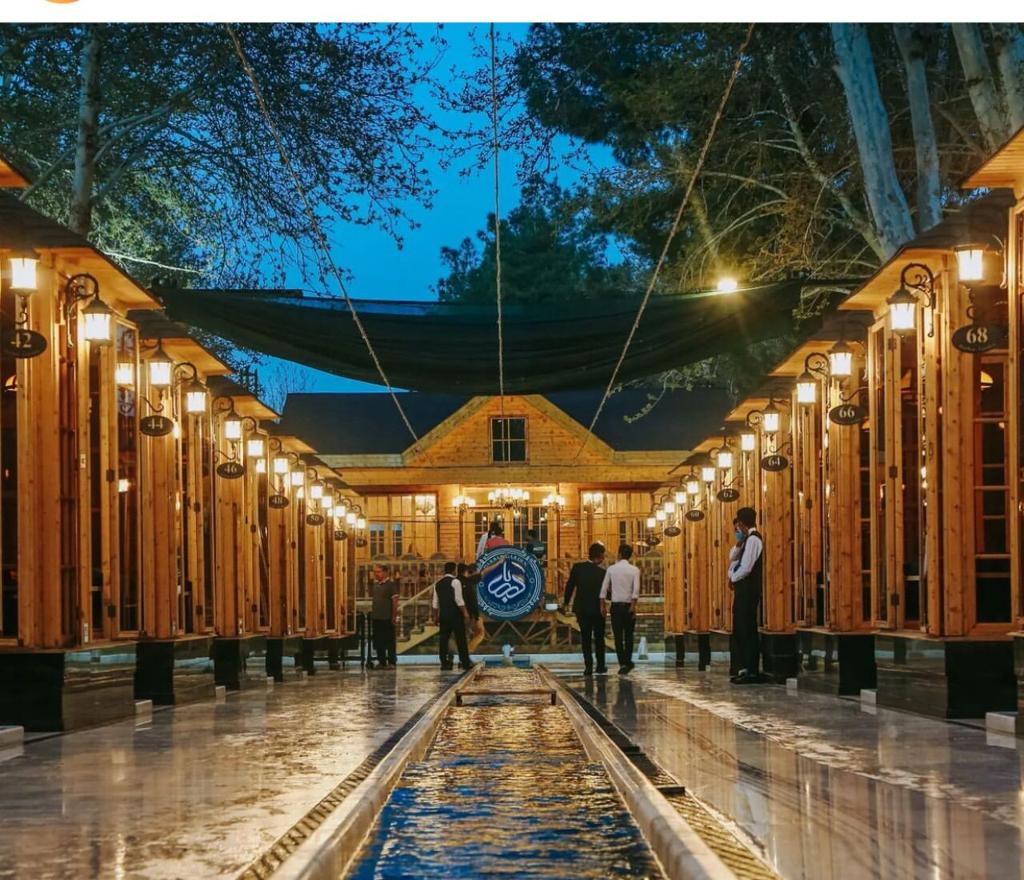
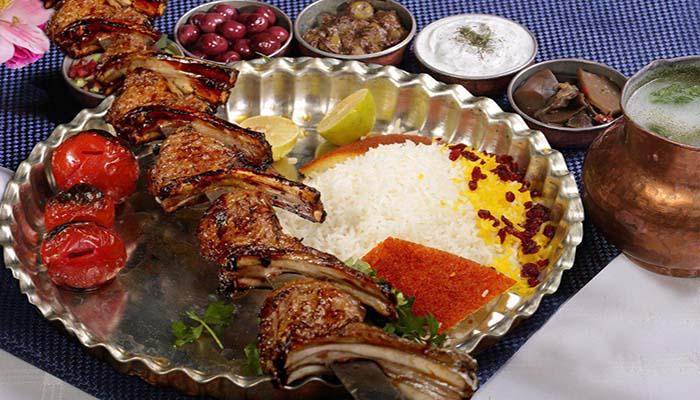
Shandiz is a popular tourist area west of Mashhad.
It is famous for:
- mountain scenery
- restaurants
- gardens
- traditional food
- shishlik
- cooler weather
A trip to Mashhad often combines the city and nearby destinations such as Shandiz and Torqabeh.
26. Torqabeh
Torqabeh is another popular recreational area near Mashhad.
It is known for:
- mountain valleys
- restaurants
- gardens
- walking
- traditional shops
- cooler summer weather
Together, Torqabeh and Shandiz form one of the main recreational zones around Mashhad.
27. Mashhad’s climate
Mashhad has a semi-arid/continental climate.
You can broadly expect:
- hot or warm summers
- cold winters
- relatively low annual rainfall
- occasional snowfall in winter
- significant temperature differences between seasons
Spring and autumn are generally among the most comfortable periods for sightseeing.
Summer can be hot, while winter can be genuinely cold.
28. Transportation
Mashhad is one of Iran’s major transportation hubs.
Mashhad International Airport
Shahid Hasheminejad International Airport connects the city to domestic and international destinations.
Railway
Mashhad has an important railway station and is connected to Tehran and other Iranian cities.
Rail is particularly popular for pilgrimage travel.
Highways
Mashhad is connected by major highways to:
- Tehran
- northern Khorasan
- southern/eastern Iran
- neighboring regions
Metro
Mashhad has a metropolitan rail system that has become an important part of daily transportation.
29. Mashhad Metro
The Mashhad Metro was developed to reduce pressure on the city’s road network.
The system serves important parts of the metropolitan area and is particularly useful for residents and visitors moving around the city.
However, because the shrine area attracts enormous crowds, surface transportation and walking remain extremely important.
30. Important attractions in Mashhad
If you want a practical sightseeing list, these are among the most important:
Religious / historical
- Imam Reza Shrine
- Goharshad Mosque
- Astan Quds Razavi museums
- Tomb of Sheikh Baha’i
- historical schools and madrasas around the shrine
Historical
- Tus
- Ferdowsi Tomb
- Haruniyeh
- Nader Shah Afshar Museum / Garden
Nature
- Torqabeh
- Shandiz
- Binalud region
- nearby recreational valleys
Family attractions
- Koohsangi Park
- Mashhad parks and recreational complexes
- shopping centers
- museums
31. Koohsangi
Koohsangi Park is one of Mashhad’s best-known urban recreational areas.
It combines:
- hills
- walking
- city views
- green spaces
- restaurants
- recreational facilities
It is particularly popular in the evening.
32. Nader Shah Afshar Museum
The museum associated with Nader Shah is another historically important attraction.
It focuses on:
- Nader Shah
- Afsharid history
- weapons
- historical objects
- Iranian military history
For people interested in Iranian political and military history, it is particularly worthwhile.
33. Museums
Mashhad has a surprisingly strong museum culture.
Among the important institutions are museums associated with Astan Quds Razavi, including collections of:
- manuscripts
- Qur’anic materials
- Islamic art
- historical objects
- coins
- carpets
- religious artifacts
The connection between museums and the shrine is important because Astan Quds accumulated cultural treasures over centuries.
34. Shopping in Mashhad
Shopping is a major part of tourism.
You can find:
- saffron
- barberries
- dried fruits
- nuts
- carpets
- handicrafts
- prayer items
- religious souvenirs
- jewelry
- clothing
- electronics
Modern Mashhad also has enormous shopping malls.
35. Mashhad’s traditional bazaars
The traditional commercial areas around the shrine have historically served pilgrims.
The Bazaar Reza area is particularly famous.
It is associated with:
- saffron
- spices
- jewelry
- souvenirs
- religious products
- handicrafts
For a first-time visitor, the traditional bazaar is often more culturally interesting than a modern shopping mall.
36. Hotels
Mashhad has one of Iran’s largest hotel infrastructures.
Because millions of pilgrims visit, the city contains:
- luxury hotels
- four- and five-star hotels
- budget hotels
- apartment hotels
- guesthouses
- pilgrimage accommodation
The area around the shrine contains particularly large concentrations of accommodation.
37. Mashhad’s religious identity
It is impossible to understand Mashhad without understanding its religious identity.
The city is sometimes described as the spiritual capital of Iran.
The Imam Reza Shrine influences:
- architecture
- urban planning
- tourism
- economics
- demographics
- public life
- education
- culture
UNESCO’s documentation explicitly describes the shrine as the central element giving Mashhad much of its urban identity.
38. Mashhad in Shia Islam
For Twelver Shia Muslims, Mashhad is one of the most important pilgrimage cities in the world.
The main shrine is that of Imam Reza.
Other major Shia pilgrimage destinations include cities such as:
- Najaf
- Karbala
- Qom
- Samarra
- Medina
But Mashhad has a unique position because Imam Reza’s tomb is the principal major Shia Imam shrine located in Iran.
39. Astan Quds Razavi
One of the most important institutions in Mashhad is Astan Quds Razavi.
It administers and supports the Imam Reza shrine and a large network of:
- religious institutions
- charitable activities
- educational institutions
- cultural institutions
- museums
- libraries
- economic organizations
Its historical development is inseparable from Mashhad itself.
40. Universities
Mashhad is an important university city.
Major institutions include:
- Ferdowsi University of Mashhad
- Mashhad University of Medical Sciences
- Islamic Azad University branches
- Payame Noor University
- various theological and religious institutions
Ferdowsi University of Mashhad is particularly prominent and is one of Iran’s major universities.
41. Mashhad’s medical importance
The city is also an important medical center.
People from northeastern Iran and neighboring countries travel to Mashhad for:
- specialized medical treatment
- surgery
- dentistry
- ophthalmology
- fertility services
- medical diagnostics
This has contributed to the growth of medical tourism.
42. Mashhad and Afghanistan
Mashhad has historically had particularly strong cultural and economic connections with Afghanistan because of its geographical proximity to the Afghan border and its position within the broader Khorasan cultural sphere.
There are also longstanding connections between Mashhad and Afghan communities, commerce and migration.
This makes Mashhad an important Iranian gateway toward the east.
43. Mashhad and Turkmenistan
Mashhad also has commercial and cultural connections with Turkmenistan.
The northeastern location of the city means that it has historically been part of trade networks connecting Iran with Central Asia.
44. Language
The dominant language is Persian.
The local accent is generally called the Mashhadi accent/dialect and has distinctive vocabulary and pronunciation.
The broader Khorasan region has also historically been home to speakers of several other languages and dialects.
45. Religion and minorities
Mashhad is overwhelmingly associated with Islam and particularly Shia religious culture.
Historically, however, Khorasan has been a multicultural region containing various religious and ethnic communities.
The wider history of Khorasan includes Persian, Turkic, Arab, Afghan, Jewish, Zoroastrian and other cultural influences.
46. Architecture
Mashhad’s architecture is particularly interesting because several periods overlap.
You can encounter:
Seljuk → Timurid → Safavid → Qajar → modern Iranian architecture
within a relatively compact historical area.
The Imam Reza complex is essentially an architectural history of Iranian Islamic civilization in miniature. UNESCO emphasizes precisely this multi-period development.
47. Why Mashhad became so large
There are several reasons:
1. Imam Reza’s shrine
The primary factor.
2. Pilgrimage
Millions of visitors generate enormous economic activity.
3. Khorasan’s geography
The city occupies an important northeastern position.
4. Migration
People move to Mashhad for education, employment and commerce.
5. Universities
The city attracts students.
6. Healthcare
Patients travel from across the region.
7. Commerce
Mashhad is a major commercial center.
8. Tourism
Historical and natural attractions complement pilgrimage.
48. Mashhad compared with Tehran
The two cities are very different.
| Mashhad | Tehran |
|---|---|
| Religious center | Political/economic capital |
| Pilgrimage tourism | Business/government |
| Northeastern Iran | Northern-central Iran |
| More traditional religious identity | More cosmopolitan |
| Shrine dominates urban identity | Metropolis dominated by business/government |
| Near Tus/Khorasan heritage | Near Alborz mountains |
| Major tourism destination | Major business destination |
49. Mashhad compared with Isfahan
Isfahan is more strongly associated with:
- Safavid architecture
- Persian art
- historic bridges
- Islamic architecture
- Zayanderud
Mashhad is more strongly associated with:
- Imam Reza
- pilgrimage
- Khorasan
- Tus
- Ferdowsi
- saffron
- religious tourism
Both are major Iranian tourism cities, but for completely different reasons.
50. Mashhad’s biggest symbol
If you showed someone a single image and asked them to identify Mashhad, the most likely answer would be:
the golden dome of Imam Reza’s shrine.
It is effectively the visual symbol of the city.
51. The most important historical fact
If you remember only one thing about Mashhad, remember this:
Modern Mashhad grew around the tomb of Imam Reza.
That single fact explains much of the city’s:
- history
- population growth
- architecture
- economy
- tourism
- religious importance
- urban geography
UNESCO’s description makes this relationship particularly explicit.
52. The most important cultural fact
Mashhad isn’t merely a religious city.
It is simultaneously:
a pilgrimage city + Khorasan cultural center + university city + commercial hub + tourism destination + gateway to northeastern Iran.
That combination makes it unusual among major Iranian cities.
53. If you visit Mashhad
A sensible first-time itinerary could look like:
Day 1
Imam Reza Shrine → Goharshad Mosque → shrine museums → Bazaar Reza
Day 2
Tus → Ferdowsi Tomb → Haruniyeh → return to Mashhad
Day 3
Torqabeh → Shandiz → local food
Day 4
Koohsangi → Nader Shah Museum → shopping
If the primary purpose is pilgrimage rather than sightseeing, the itinerary should obviously be structured differently.
54. Best souvenirs
The classic Mashhad shopping list includes:
- Saffron
- Zereshk (barberry)
- Pistachios
- Dried fruits
- Nuts
- Persian carpets
- Religious souvenirs
- Prayer beads
- Perfumes/attar
- Traditional handicrafts
Saffron is probably the most iconic food-related souvenir.
55. What makes Mashhad unique?
There are thousands of cities with large religious monuments.
Mashhad is unusual because the monument actually shaped the city itself.
The city did not simply contain the shrine.
The shrine helped create the city.
That relationship between sacred architecture and urban development is one of the most fascinating aspects of Mashhad’s history, and it is specifically highlighted in UNESCO’s assessment.
In one sentence
Mashhad is Iran’s great northeastern metropolis—a city that grew around the shrine of Imam Reza and evolved into one of the Islamic world’s major pilgrimage destinations while simultaneously becoming a center of Khorasani culture, Persian literature, education, commerce, medicine, tourism and industry.